▌ Executive Summary
The cabinetmaker first supplied the kitchen island plan and elevation drawings as a design reference. After completing the cabinetry, the cabinetmaker delivered the assembled island to Landiview Stone so our production team could verify the actual geometry before cutting the stone.
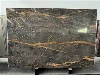
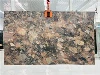
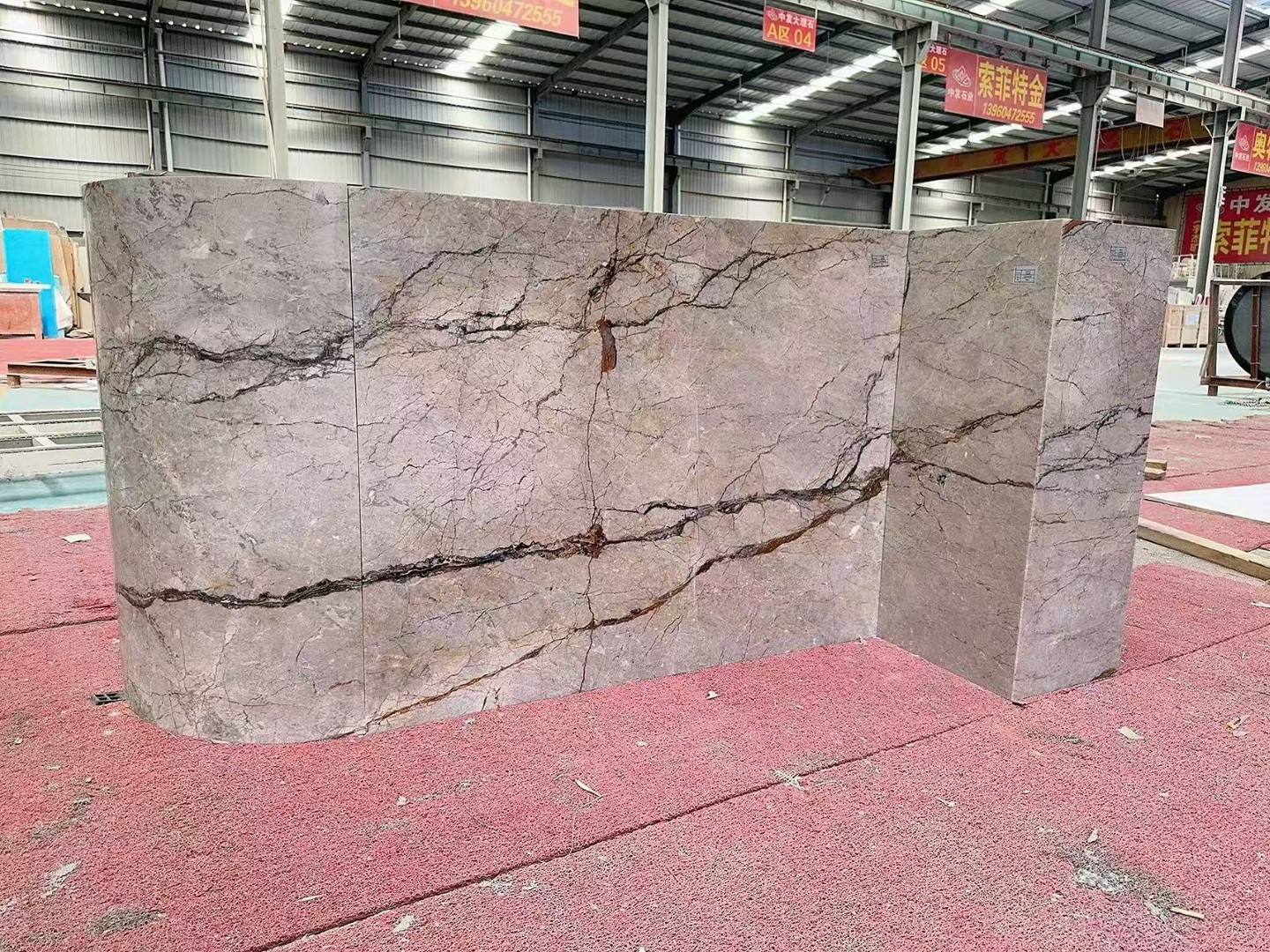
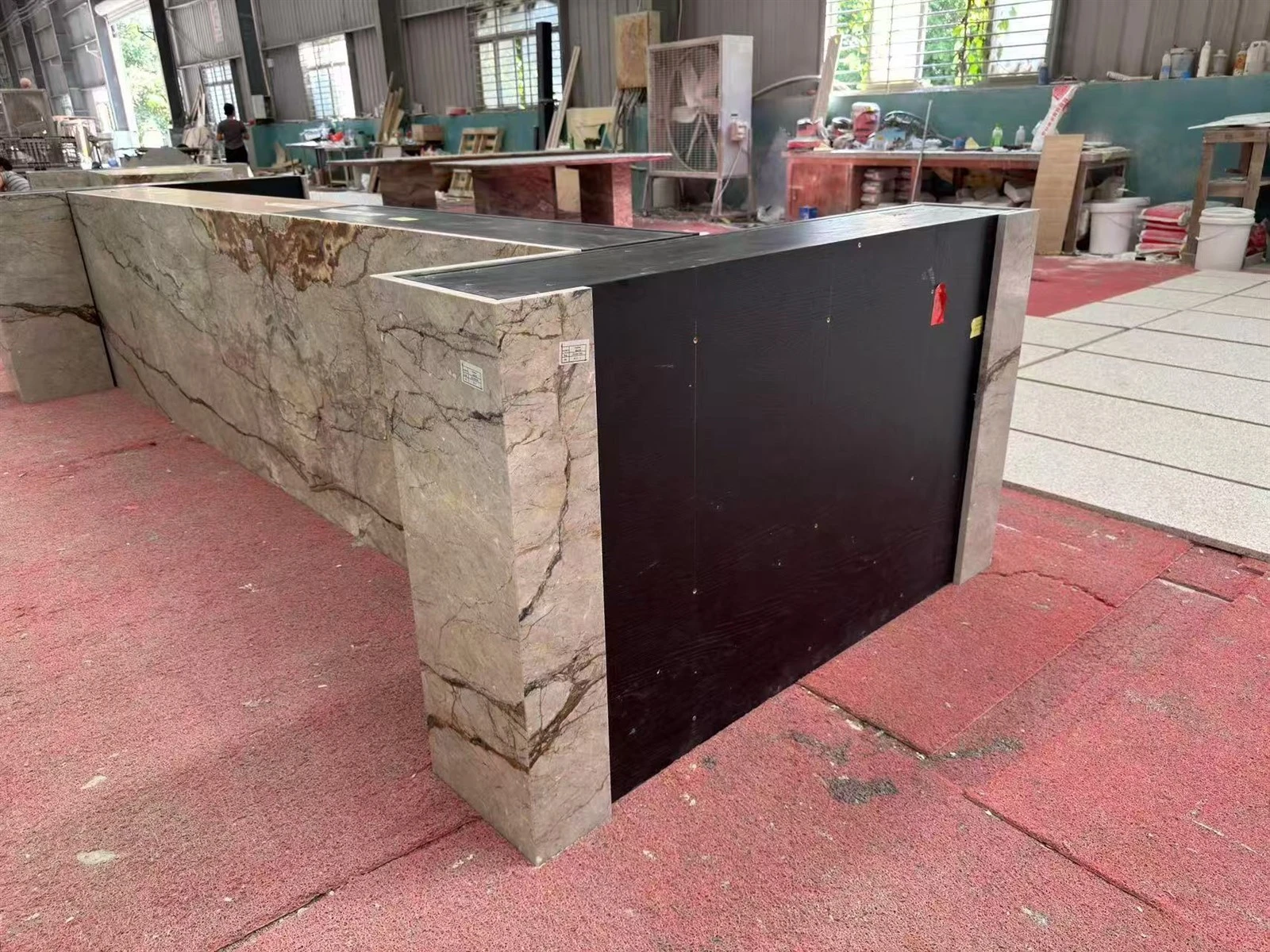
Using the physical cabinet as the controlling reference helped resolve the most installation-sensitive area: the rounded island end. Landiview Stone then fabricated the Silver Roots Marble benchtop and vertical panels, coordinated the visible veins through the slab layout, trial-fitted the pieces and bonded the side panels directly to the cabinet. The benchtop remained separate for later installation.
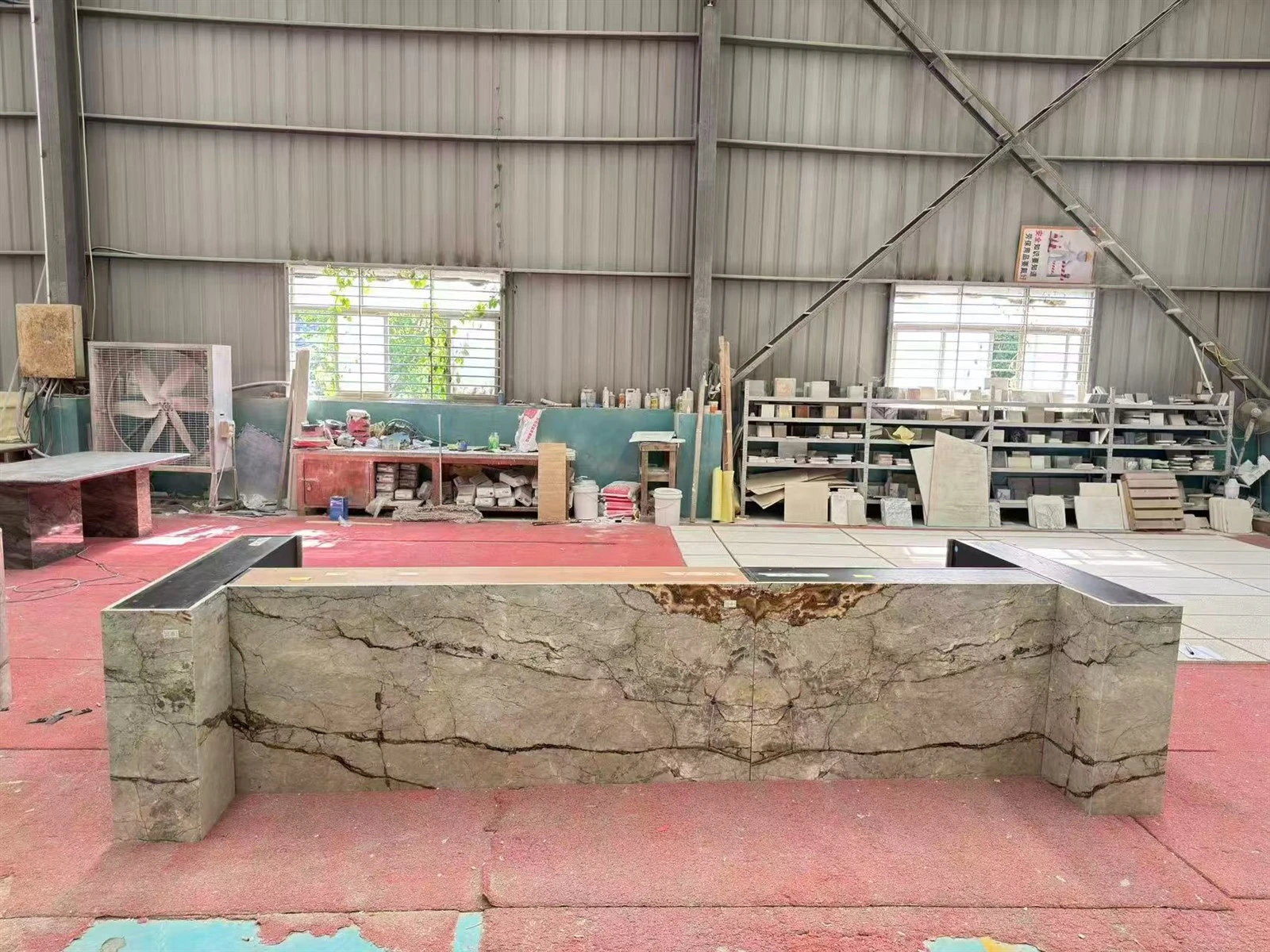
▌ Why Was the Completed Cabinet Sent to the Stone Factory?
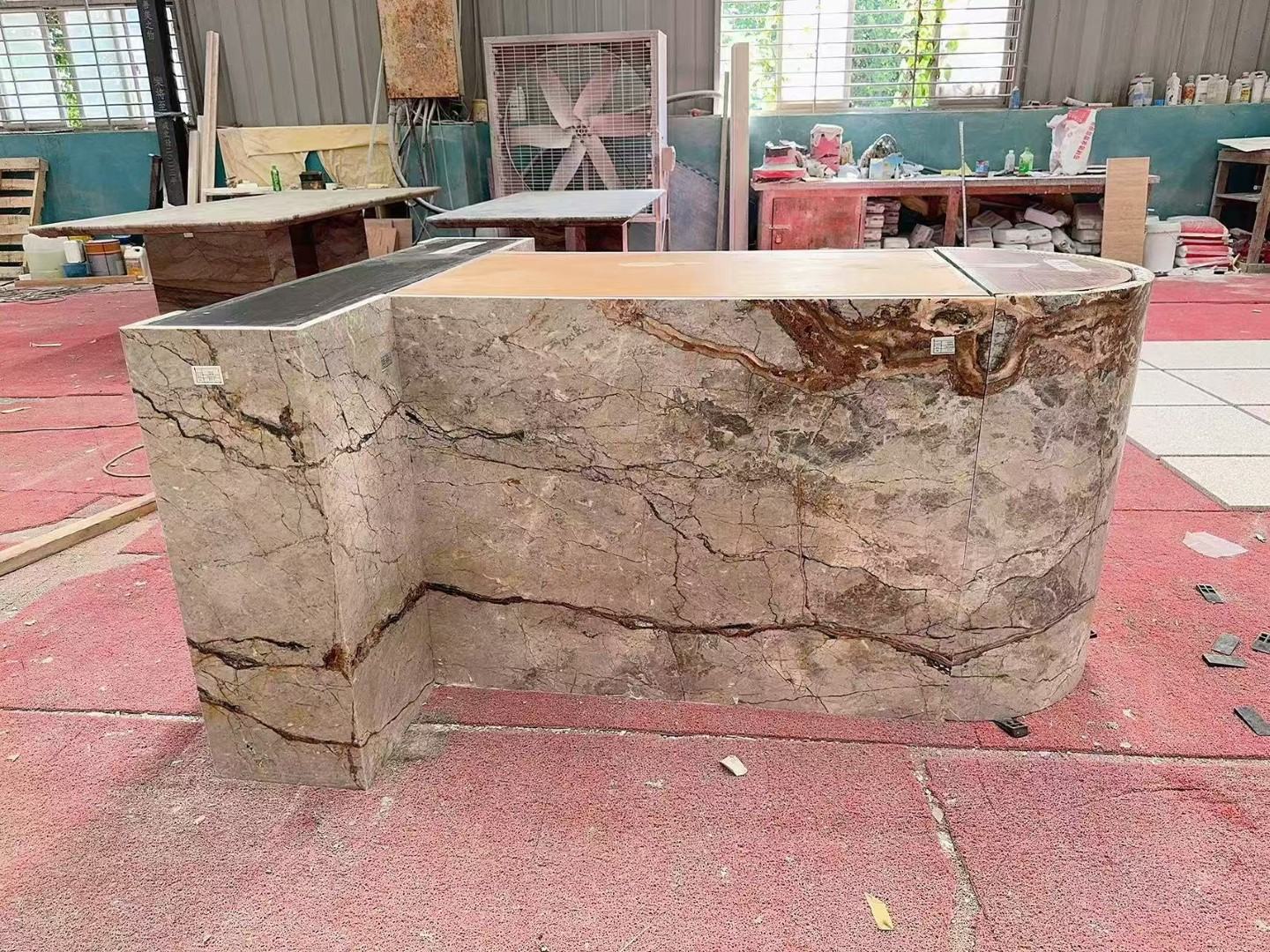
Architectural and cabinet drawings establish the intended design, but the finished cabinet can contain small dimensional or geometric differences caused by fabrication tolerances, substrate build-up and assembly. These differences are especially important when rigid stone panels must wrap around a curved end and meet adjacent straight panels.
Measuring the completed cabinet allowed the stone pieces to be based on the real supporting structure. This reduced dependence on nominal dimensions and gave the production team a direct reference for panel fit, joint locations and edge alignment.
▌ How Was the Silver Roots Marble Fabricated?
- 1. Review the cabinetmaker's plan and elevation drawings to understand the intended island form and stone scope.
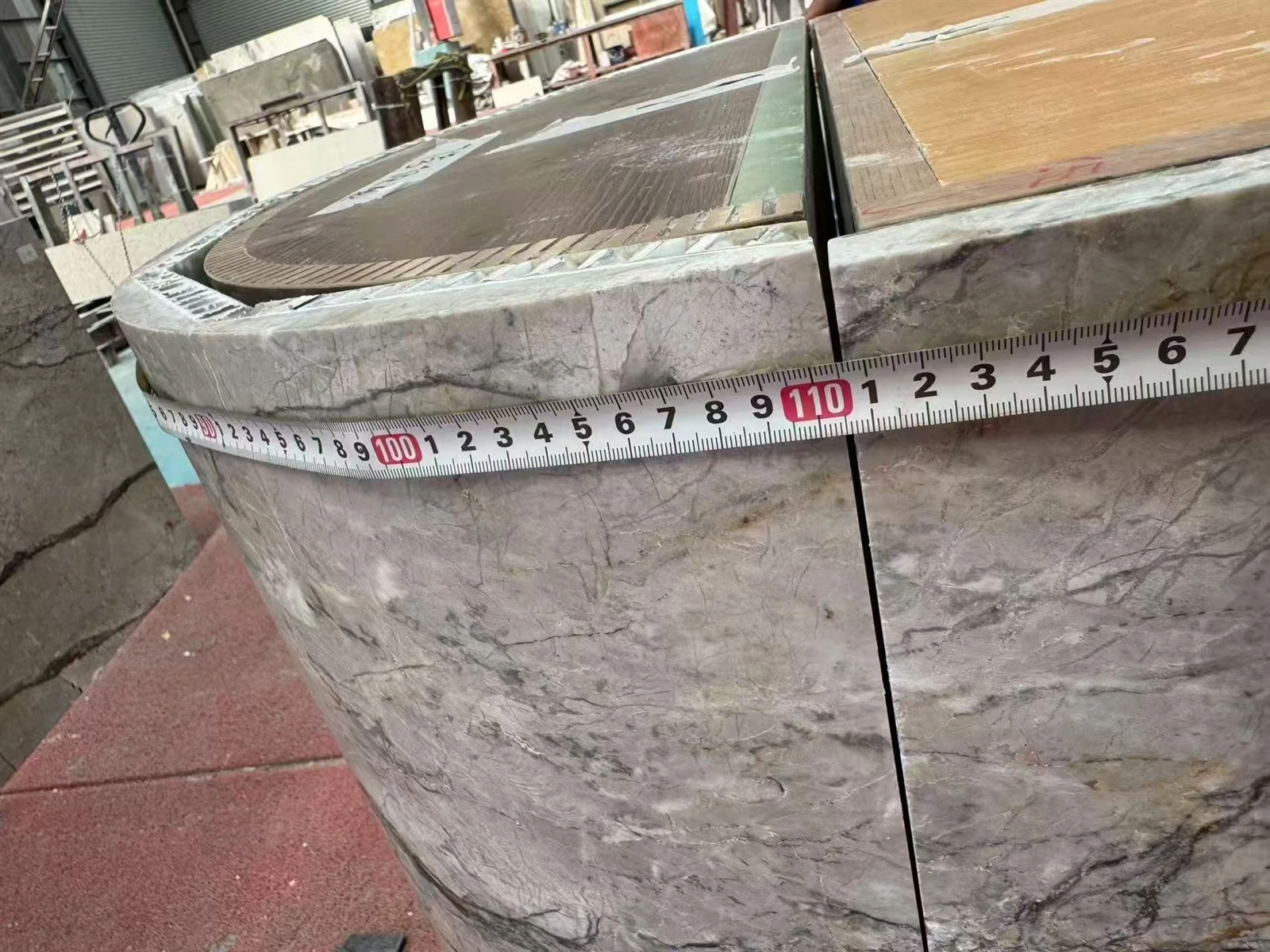
- 2. Measure and template the completed kitchen island cabinetry after delivery to the Landiview Stone factory.
- 3. Prepare the cutting and vein layout using scanned slab imagery in AutoCAD, including the rounded end and adjoining straight panels.
- 4. Cut, finish and identify the benchtop and vertical cladding pieces according to the verified dimensions.
- 5. Trial-fit the marble panels on the actual cabinet and check joints, edges, transitions and visible vein flow.
- 6. Bond the vertical Silver Roots Marble panels to the cabinet while keeping the benchtop separate for site installation.
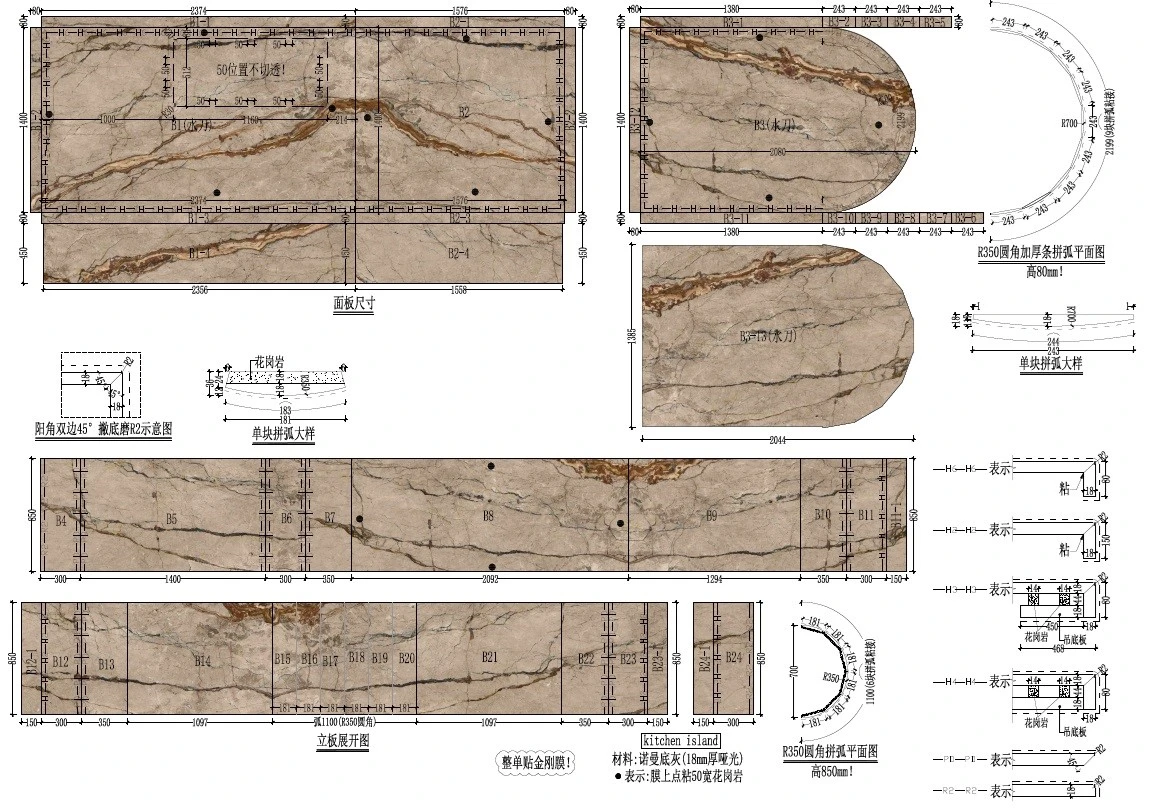
▌ How Were the Curved End and Marble Veining Controlled?
The rounded end was divided into manageable fabricated pieces that could follow the cabinet geometry while maintaining practical joint positions. The slab scan was used to evaluate how the stronger brown and dark-grey veins would continue across neighbouring panels before cutting.
During factory fit-up, the installed panels were checked as one composition rather than as isolated pieces. This made it possible to review the visual movement across the long elevations, the curved return and the straight end panels before the cabinet left the factory.
▌ What Was Included in the Factory Scope?
- • Dimensional verification of the completed kitchen island cabinetry
- • Silver Roots Marble slab cutting and vein-layout planning
- • Fabrication of the separate kitchen island benchtop
- • Fabrication and trial fitting of straight and curved vertical marble panels
- • Factory bonding of the vertical marble panels to the supplied cabinetry
- • Visual inspection of joints, edges and vein relationships after assembly
▌ Frequently Asked Questions
Q: Why was the completed kitchen island cabinet delivered to Landiview Stone?
A: The completed cabinet provided the most reliable reference for the actual dimensions and curved geometry. It allowed the stone panels to be measured, trial-fitted and bonded against the real substrate instead of relying only on nominal drawing dimensions.
Q: Were both the benchtop and side panels installed at the factory?
A: No. Landiview Stone fabricated both elements, but only the vertical Silver Roots Marble panels were bonded to the kitchen island cabinet at the factory. The benchtop remained separate for subsequent installation.
Q: How was the marble pattern coordinated across multiple panels?
A: Scanned slab imagery was used in AutoCAD to simulate the cutting arrangement before production. The fabricated pieces were then assembled on the actual cabinet so the team could review vein movement, panel joints and transitions around the rounded end.
Q: Can Landiview Stone fabricate marble panels for other custom cabinet shapes?
A: Yes. The appropriate workflow depends on the geometry, access and installation plan. Custom islands with curves, returns or tightly coordinated panel joints may require approved shop drawings, physical templates, digital measurements, slab layout and factory trial assembly before shipment.