▌ Executive Summary
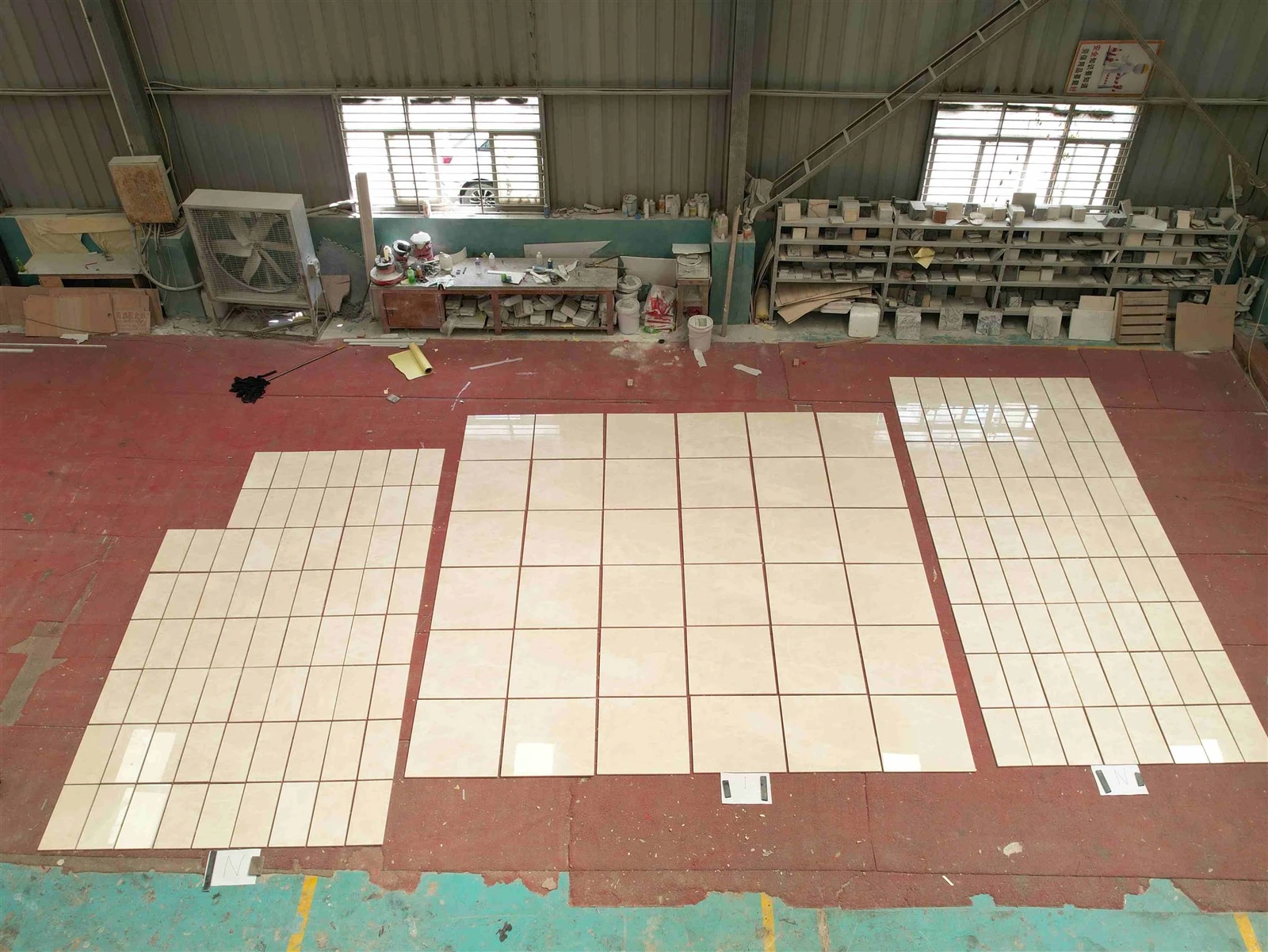
Landiview Stone received this Singapore commercial interior wall-tile order in October 2026. Cutting has now been completed, and the finished tiles have entered the factory dry-layout inspection stage.
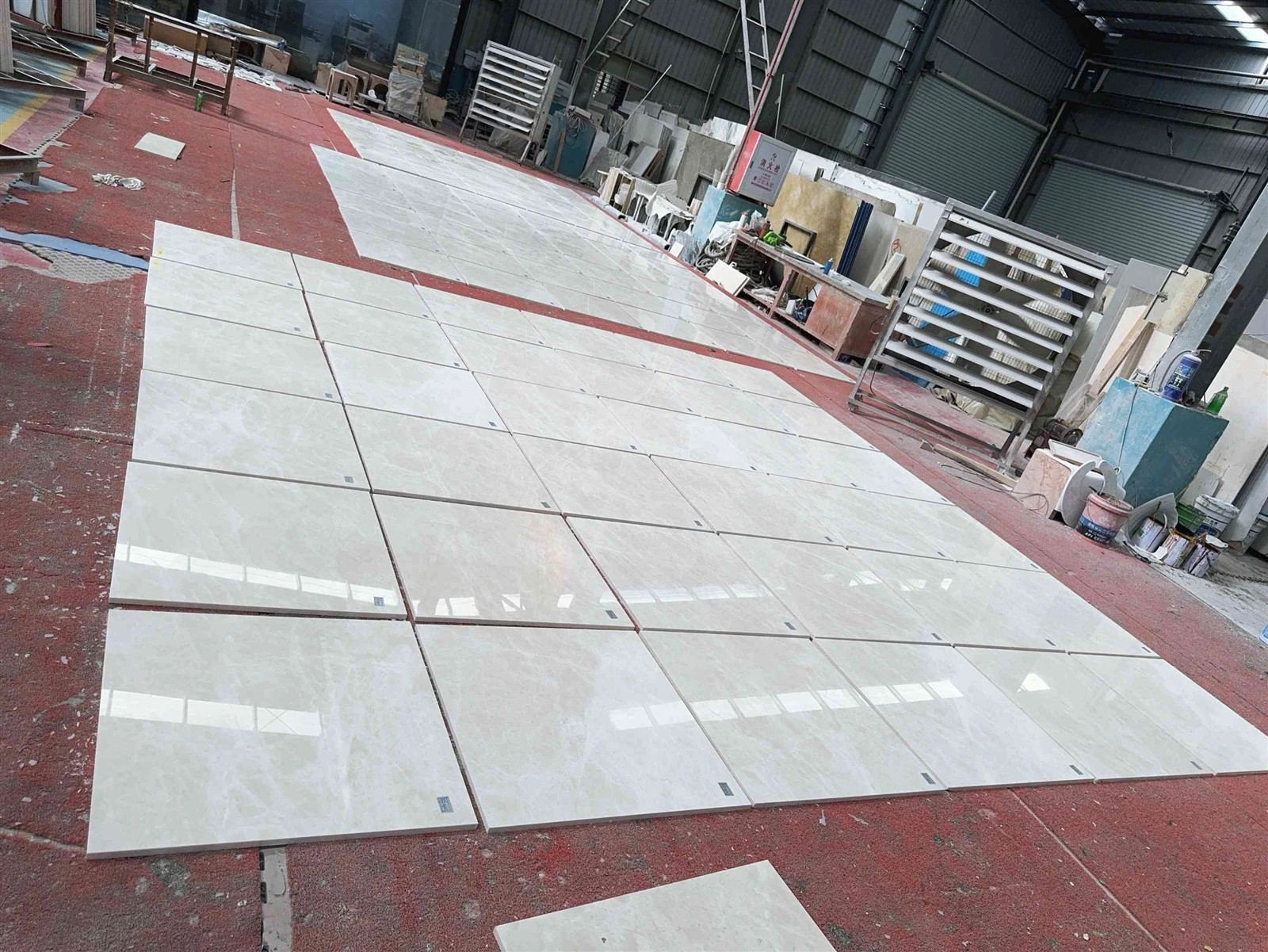
The production scope uses 18 mm Aran White Marble with a polished finish. In total, the order contains 584 wall tiles covering 295.87 m². The tiles are organized into 14 installation areas, identified as Elevations A through N, so that each area can be reviewed as a coordinated wall rather than as unrelated individual pieces.
▌ Project Scope and Tile Schedule
Aran White Marble
Polished
18 mm
584 pieces
295.87 m²
Elevations A to N
- • Elevations A to I: 36 pieces per elevation, 800 x 800 mm, 324 pieces in total
- • Elevation J: 28 pieces, 800 x 800 mm
- • Elevations K and L: 36 pieces per elevation, 700 x 700 mm, 72 pieces in total
- • Elevation M: 21 pieces, 700 x 700 mm
- • Elevation N: 139 pieces, 600 x 300 mm
▌ Why the Tiles Are Dry Laid Before Packing
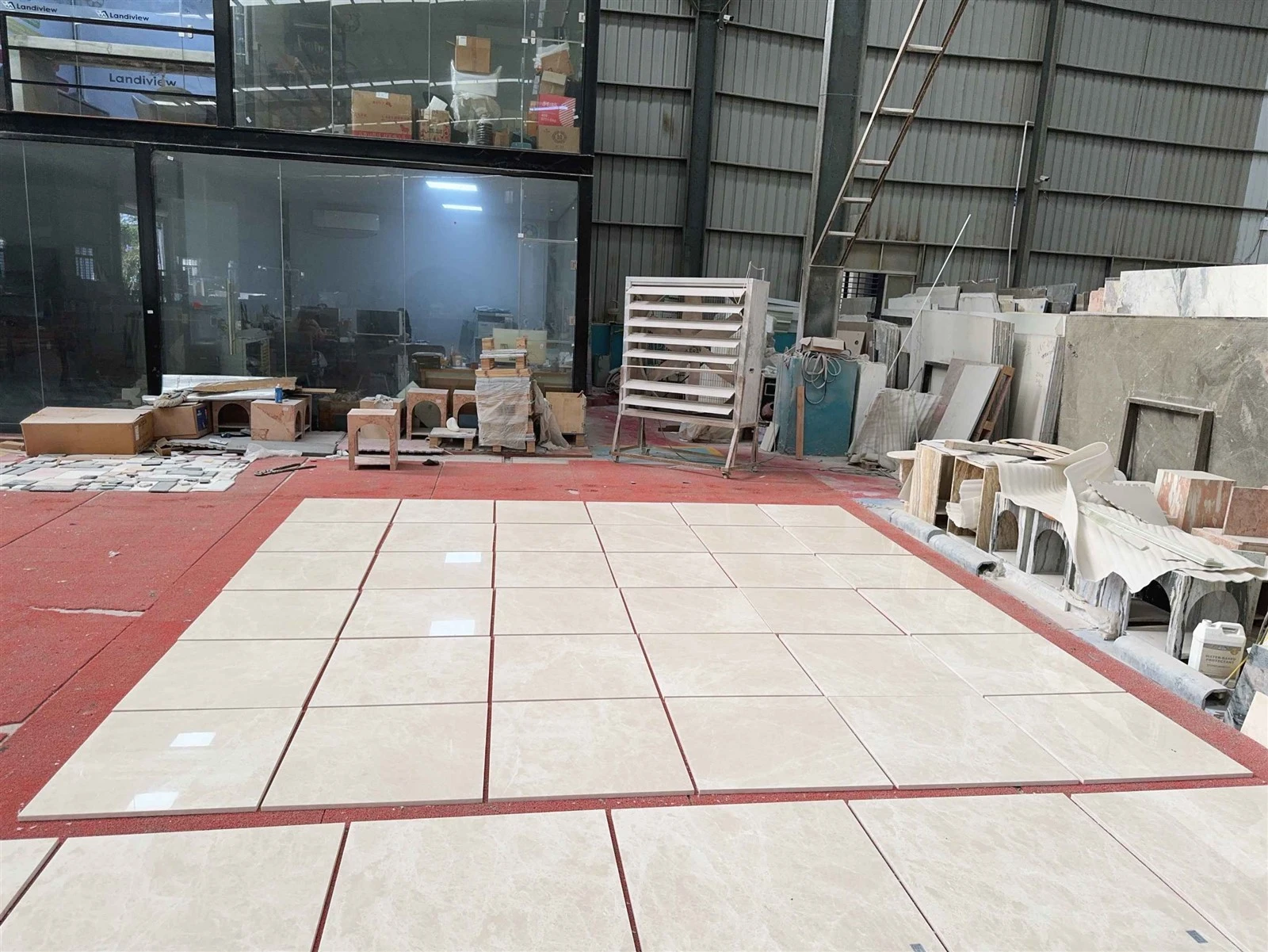
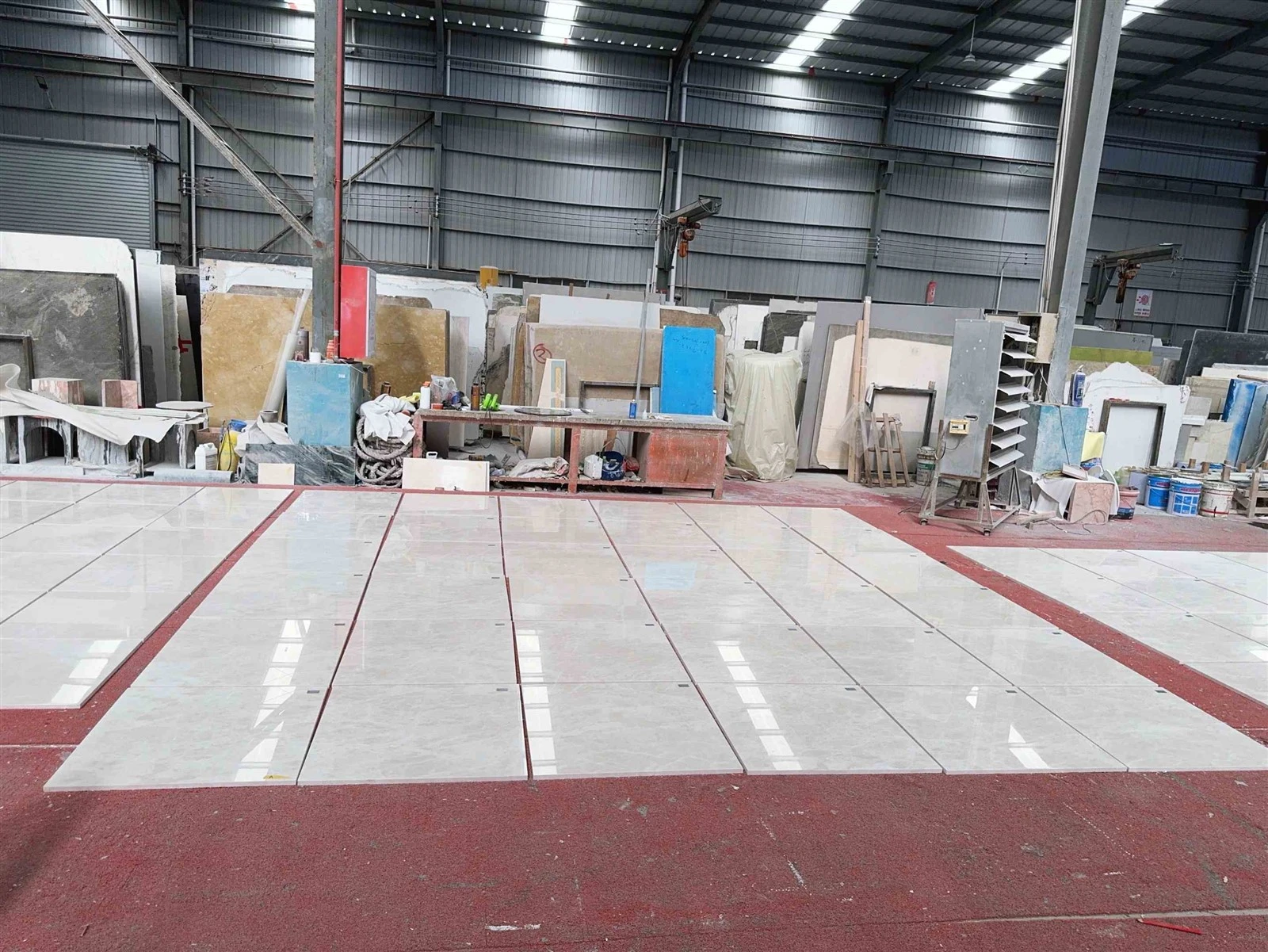
Natural marble varies from piece to piece. A factory dry layout allows the project team to review the overall colour range, vein movement and visual balance across each complete elevation before the tiles are released for packing.
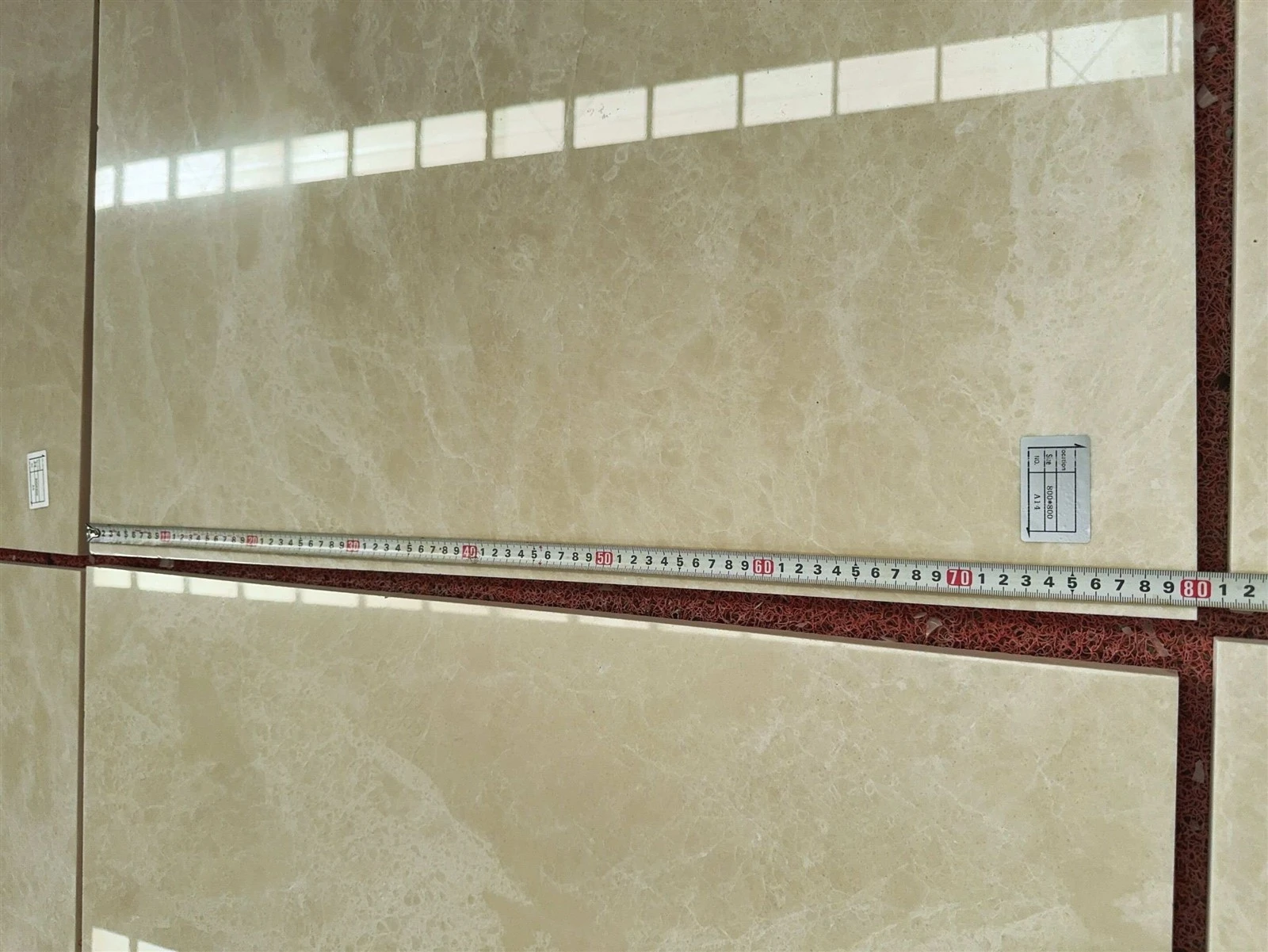
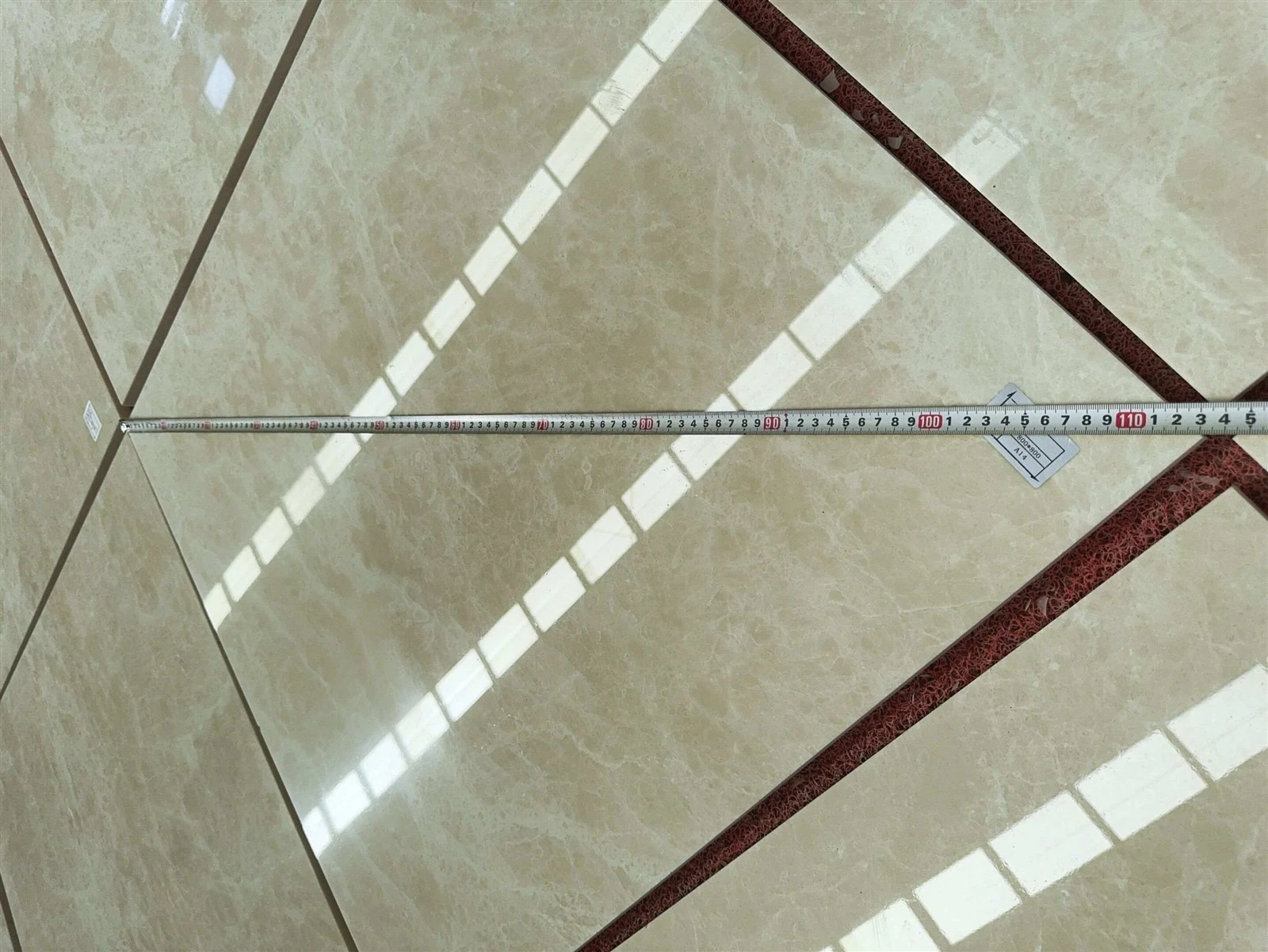
Separating the order by Elevation A to N also supports piece identification and installation control. The inspection shown in the project photographs includes full-area layout views and close-range dimensional checks of labelled tiles.
▌ Factory Quality-Control Workflow
- 1. Arrange the finished tiles by their approved elevation references.
- 2. Review the overall colour distribution and natural marble movement within each wall area.
- 3. Check the polished surface and visible edges for unacceptable fabrication defects.
- 4. Verify representative tile dimensions against the production schedule.
- 5. Confirm piece labels and elevation references before dismantling the layout.
- 6. Record the approved arrangement to support packing and site installation.
- 7. Pack the tiles by installation sequence with suitable protection for international transport.
▌ What This Inspection Means for the Project Team
For a commercial interior with repeated wall modules, checking complete elevations before shipment reduces the risk of random colour concentration, misplaced pieces and avoidable sorting work on site. It also gives the buyer a clear production record before the stone leaves the factory. Once the dry-layout review is approved, the tiles can move to final cleaning, sequential identification and export packing.
▌ Frequently Asked Questions
Q: What stone is being used for this Singapore commercial wall-tile project?
A: The project uses Aran White Marble with a polished finish and a nominal thickness of 18 mm.
Q: How many marble wall tiles are included in the order?
A: The order contains 584 tiles with a combined finished area of 295.87 m². The pieces are divided among 14 wall areas identified as Elevations A to N.
Q: Which tile sizes are included?
A: The schedule includes 800 x 800 mm, 700 x 700 mm and 600 x 300 mm wall tiles. Quantities and sizes are assigned to specific elevations.
Q: Why is a dry layout important for natural marble wall tiles?
A: Dry laying allows the complete wall area to be reviewed for colour distribution, natural veining and overall visual coordination before packing. It also helps confirm piece references and installation sequence.
Q: What happens after the dry-layout inspection?
A: After approval, the tiles proceed to final cleaning, identification, sequential packing and export preparation for delivery to the Singapore project.